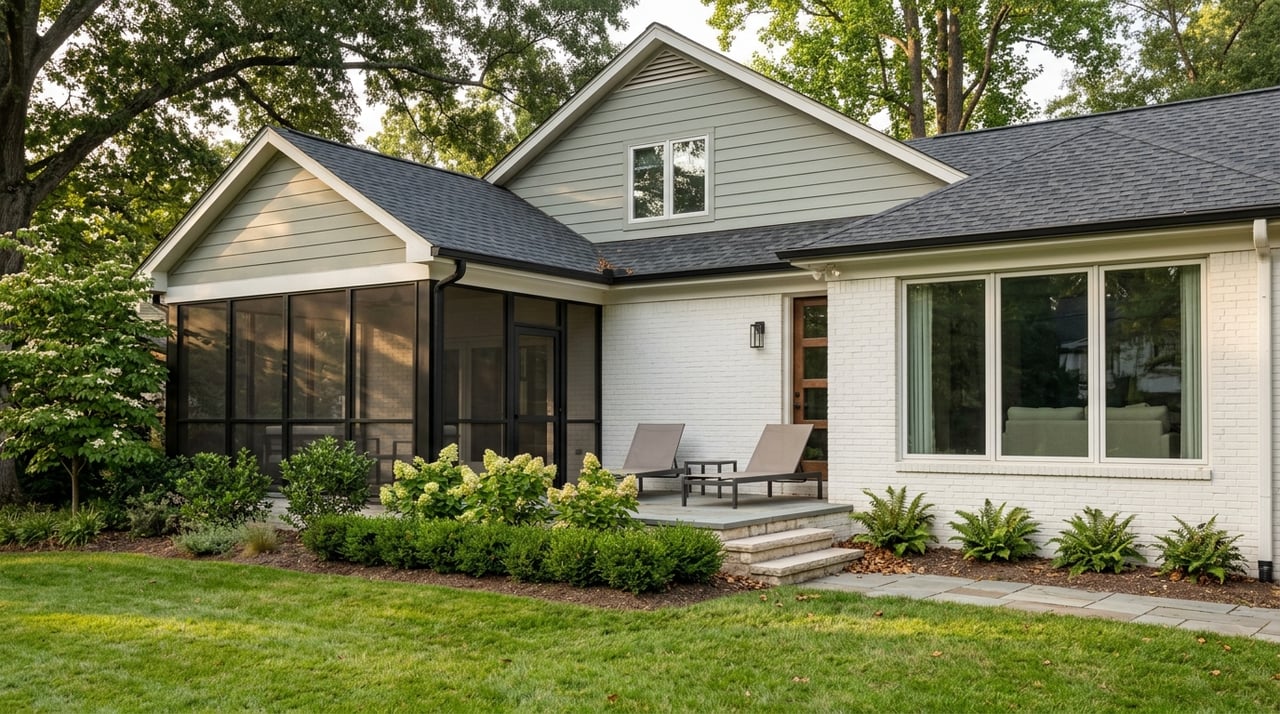
If you’re relocating to Oak Ridge for work, your housing decision can shape your daily routine more than you might expect. This is not a typical suburban market where every neighborhood feels interchangeable, and that can be a real advantage when you know what to look for. By understanding how Oak Ridge is laid out, how people commute, and what kinds of homes are available, you can make a move that fits both your job and your lifestyle. Let’s dive in.
Why Oak Ridge Feels Different
Oak Ridge sits about 22 miles northwest of Knoxville and had a 2020 population of 31,402. The city covers a very large municipal area, roughly 92 square miles, but only about 30 square miles are residential, commercial, and municipal land. Much of the rest remains U.S. Department of Energy reservation property, which gives Oak Ridge a layout that feels very different from many East Tennessee cities.
That history still matters today. Oak Ridge grew around the Manhattan Project, and the city was designed with major employment facilities in separate valleys from the main residential areas. As a result, neighborhoods, work centers, and green space are closely connected, but not always in a simple grid pattern.
For you as a relocating professional, that means location is not just about price or square footage. It is also about how your daily drive works, which side of town gives you easier access, and whether you want a historic home, a newer subdivision, or a multifamily option near retail and employment nodes.
Commute Planning Matters in Oak Ridge
Oak Ridge is largely a car-based city. Census data puts the mean travel time to work at 23.4 minutes, and city planning materials say 83% of workers commute by car, truck, or van, with 71% driving alone. The city’s draft 2045 comprehensive plan appendix also notes that 55.2% of working residents work in Oak Ridge.
That makes commute planning one of the most practical parts of your home search. If you are moving for a role at Oak Ridge National Laboratory, Y-12, or another nearby employer, your route into and out of town can affect your daily rhythm in a big way.
ORNL states that its east portal is reached via TN-162/Pellissippi Parkway from Oak Ridge or Knoxville, while its west portal is reached via Highway 95 from I-40 West Exit 364. ORNL also notes that the west portal is generally less congested. Y-12 visitor access instructions route arrivals through the Pellissippi Parkway and SR 62 area, then through Solway, Bethel Valley Road, and Scarboro Road.
In simple terms, many relocating buyers benefit from thinking about Oak Ridge in commute zones rather than just by name recognition. You may want to ask yourself whether you would prefer easier access to the ORNL side, the Y-12 and Scarboro side, or newer neighborhoods on the edges of town.
Questions to ask about your commute
- Which work site or access point will you use most often?
- Do you expect to commute mainly from Oak Ridge, or from a nearby city?
- Would a shorter drive matter more to you than newer construction?
- Do you want quick access to retail areas as well as work?
- Are you comfortable with a more car-dependent daily routine?
Oak Ridge Housing Options at a Glance
One of Oak Ridge’s biggest strengths is its range of housing types. This is a city where you can find historic homes tied to its WWII-era past, along with newer single-family neighborhoods, townhomes, and apartments. That variety can be especially helpful if you are relocating on a specific timeline or budget.
City planning documents identify several Manhattan District Overlay neighborhoods, including Highland View, Scarboro, East Village, and Woodland, as historic WWII-era areas. Many of the original structures are still occupied today, though the city notes that some have aging infrastructure and limited improvements.
Oak Ridge is also known for its Alphabet Houses. The National Park Service describes these as Type A through H homes, including cemesto and flat-top designs that still stand as private residences. If you appreciate architectural history and are open to a home with character and possible updating needs, these areas may be worth exploring.
At the same time, Oak Ridge continues to add newer housing. The city’s 2024 financial report notes continued residential development in The Preserve at Clinch River and Forest Creek Village, along with attached townhomes and single-family dwellings in the Summit Development. New apartment units have also been completed adjacent to the retail district.
What types of homes you may find
- Historic WWII-era homes in legacy neighborhoods
- Alphabet Houses with distinct original design styles
- Updated resale homes in established areas
- Newer single-family homes in developing subdivisions
- Townhomes and attached housing options
- Apartments near retail and activity centers
Historic Homes Versus Newer Construction
For many relocating buyers, this is the biggest decision point. Oak Ridge’s historic core offers character, local identity, and homes that are part of the city’s story. These properties can appeal to buyers who enjoy mature settings and are comfortable weighing renovation potential against charm.
City materials show that Oak Ridge has long focused on preserving and updating its historic housing types. The Housing Design Program was created to help preserve and modernize ten historical housing types, and current planning documents suggest most areas are not expected to see major change. Instead, the city points toward infill, renovations, and limited growth in legacy neighborhoods.
Newer development offers a different kind of appeal. If you want a more standard suburban layout, lower-maintenance finishes, or a home that feels move-in ready, newer subdivisions and attached housing may fit better. For some buyers, that tradeoff is worth a slightly different commute pattern.
A simple way to compare options
| Housing style | What to expect |
|---|---|
| Historic core homes | Original character, established neighborhoods, possible updates needed |
| Alphabet Houses | Distinct design, local history, limited supply, renovation considerations |
| Newer subdivisions | More modern layouts, newer finishes, more typical suburban feel |
| Townhomes and apartments | Lower-maintenance living, often near retail and daily conveniences |
Green Space Is Part of Daily Life
Oak Ridge is not only about work and housing. The city also has a strong greenway and park system that can shape your day-to-day experience. If you value outdoor access, this is a meaningful part of the area overview.
The city says Oak Ridge has 48 greenbelt districts totaling about 1,566 acres. Its greenway system is intended to connect neighborhoods with parks, schools, cultural centers, shopping, and places of employment. The city also says parks are strategically located throughout Oak Ridge to be within one-half mile of each residential area.
For a relocating household, that can make the city feel more connected and livable. Even in a car-oriented market, having nearby trails, green space, and parks can add flexibility to your routine and help you settle in more comfortably.
Should You Live in Oak Ridge or Expand Your Search?
Sometimes the right move is in Oak Ridge itself. Other times, it makes sense to compare Oak Ridge with nearby options if your budget, preferred home style, or shopping patterns point you elsewhere.
Farragut is one of the clearest comparison points. Town planning materials place Farragut in southwestern Knox County and describe it as well located for commuting to Oak Ridge, Knoxville, Maryville, Alcoa, and Loudon. Because of its location near Oak Ridge and major transportation routes, it has grown as an important suburban option.
The biggest difference is price. Redfin’s April 2026 market snapshot shows a median sale price of $397,695 in Oak Ridge compared with $727,624 in Farragut. Median days on market were 57 in Oak Ridge and 66 in Farragut.
That does not make one market better than the other. It simply means they often serve different goals. Oak Ridge is usually the anchor choice for proximity to ORNL, Y-12, and the city’s historic core, while Farragut can be a broader west Knox County option for buyers looking for a different suburban setting at a higher price point.
How to Narrow Your Search
When you are relocating for work, it helps to keep your first home search focused on daily function. Oak Ridge works best when you match the home to your commute, your housing style preferences, and your comfort level with historic versus newer homes.
A practical first step is to rank your top priorities. Some buyers care most about getting to work efficiently. Others want architectural character, a newer home, or a low-maintenance setup near retail and services.
Focus on these priorities first
- Your main work location and access route
- Your preferred housing type
- Your price range
- Your tolerance for renovation or deferred updates
- Your interest in parks, greenways, and nearby daily conveniences
- Whether Oak Ridge or a nearby market like Farragut fits better
Final Thoughts on Relocating to Oak Ridge
Oak Ridge offers something many work-driven relocation markets do not. It combines major employment access, a distinctive city layout, historic residential character, and an evolving mix of newer housing options. If you take time to understand how the city functions, you can choose a home that supports both your work schedule and your quality of life.
If you’re planning a move to Oak Ridge or comparing Oak Ridge with nearby East Tennessee communities, working with someone who understands relocation, neighborhood differences, and day-to-day logistics can make the process much smoother. For personalized guidance on buying, selling, or relocating in Oak Ridge and the surrounding area, connect with Pam Owen.
FAQs
What makes Oak Ridge different from a typical suburb for relocating professionals?
- Oak Ridge was shaped by its Manhattan Project history, so its neighborhoods, employment centers, and green space do not follow a typical suburban grid. That makes commute routes and neighborhood location especially important.
What should you know about commuting in Oak Ridge for work at ORNL or Y-12?
- Oak Ridge is largely car-based, and official access routes for ORNL and Y-12 suggest that portal access, road connections, and which side of town you live on can affect your drive more than you might expect.
What types of homes are available in Oak Ridge for relocating buyers?
- Oak Ridge offers a mix of historic WWII-era homes, Alphabet Houses, updated resale properties, newer single-family homes, townhomes, and apartments.
What are Oak Ridge Alphabet Houses for homebuyers?
- Alphabet Houses are historic Oak Ridge homes identified by Type A through H designs. They remain part of the private housing stock and are often considered by buyers who value architectural history and character.
Should you consider Farragut instead of Oak Ridge when relocating for work?
- Farragut can be a useful comparison if you want a broader west Knox County suburban option, but current market data in the research report shows it at a significantly higher median sale price than Oak Ridge.
How important are parks and greenways in Oak Ridge for new residents?
- They are a notable part of daily life in Oak Ridge. The city says its greenway and greenbelt system connects neighborhoods with parks, shopping, cultural centers, and places of employment, with parks located within one-half mile of each residential area.