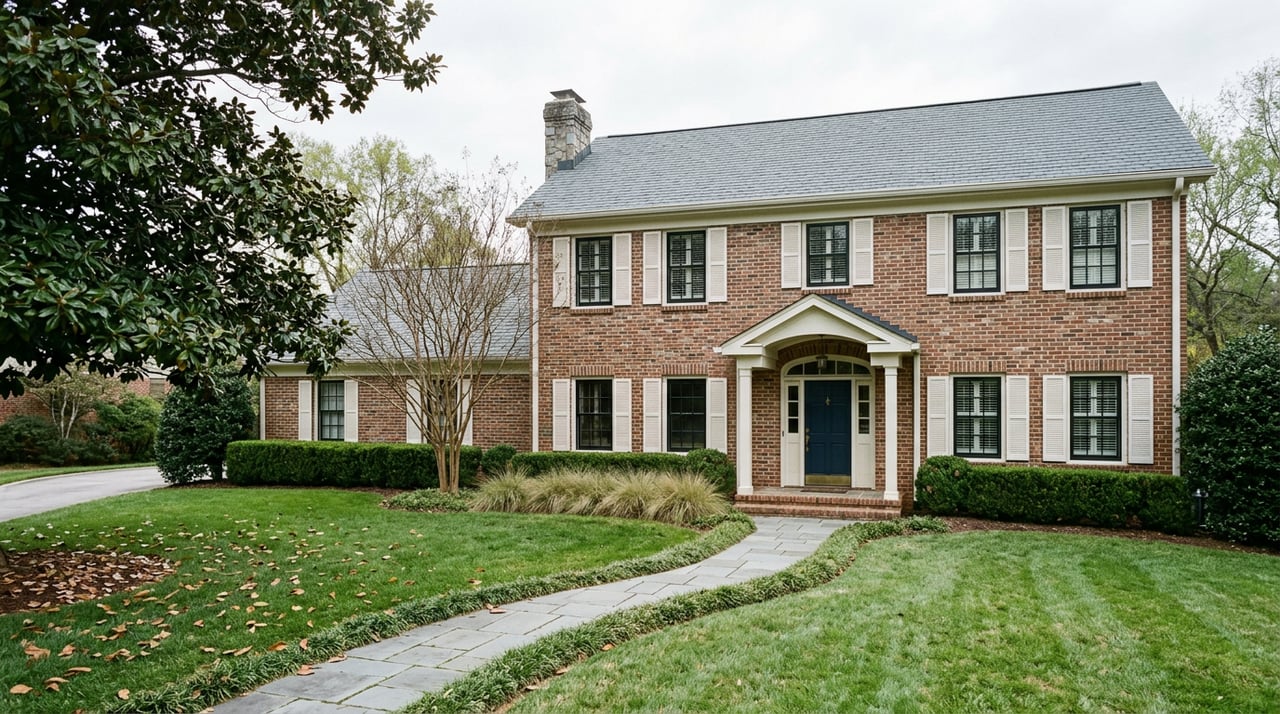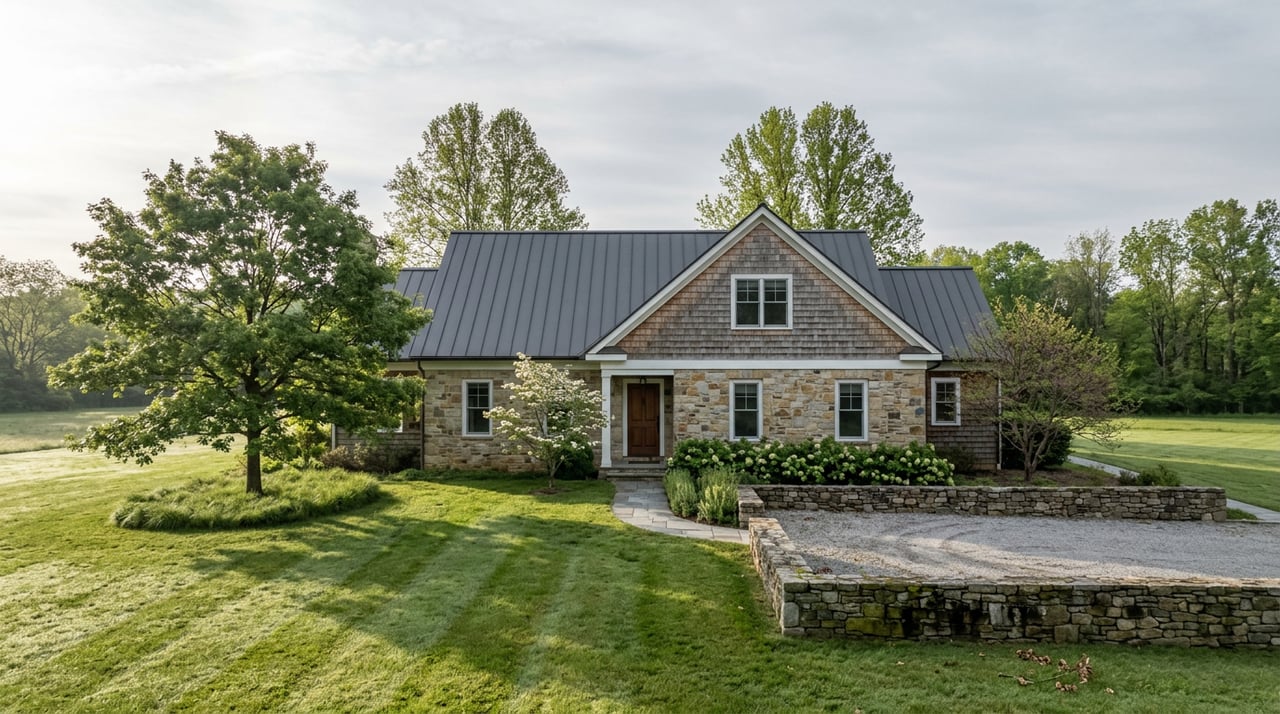
Drive through Woodland or Scarboro on any weekend and the pattern is hard to miss. The same roofline repeats block after block. The same porch depth, the same window placement, five or six house designs stamped across entire streets. That repetition is the visible fingerprint of the cemesto houses the government built here starting in 1943, and it means a huge share of what comes up for sale in Oak Ridge isn't ordinary 1990s or 2000s construction. It's an 80-year-old prefabricated panel house with its own particular list of things a buyer's lender and inspector are going to ask about.
Sellers of these houses usually brace for one word to be the problem: asbestos. It's in the exterior panels. Cemesto is literally a Celotex fiber board coated on both sides with asbestos cement, developed by the John B. Pierce Foundation and the Celotex Corporation in 1941 to get roughly 3,000 houses built fast for the Manhattan Project workforce. But asbestos siding is rarely the thing that actually slows a closing down. The friction shows up somewhere else, and most of what's written about selling an older Oak Ridge home skips right past it.
The citywide number you keep seeing isn't describing your house
Oak Ridge's median sale price ran $395,000 over the three months ending May 2026, up 14.4 percent from the same stretch a year earlier. That's a real number, and it's the one most sellers anchor to when they start pricing conversations. But more than half of Oak Ridge's housing stock was built before 1959, according to the city's own housing plan, and for decades there were very few new construction starts to dilute that older stock. That's changed recently. Developments like The Preserve at Clinch River, Forest Creek Village, and newer pockets in Solway have added thousands of new homes to the mix, and those sales carry real weight in a citywide median.
What that means for a cemesto seller is simple: your comp set isn't the citywide number. A cemesto or alphabet house in a legacy neighborhood like Highland View or East Village is competing in a different pool than a new build in Solway with modern wiring, a vented crawl space, and no asbestos anywhere in the building envelope. Pricing against the wrong pool is one of the quieter ways a listing sits longer than it should.
What a buyer's loan officer actually flags
This is the part sellers usually get wrong in their own heads. Asbestos on a house isn't one issue. It's at least two, and lenders treat them very differently.
| Where the asbestos is | How it's typically treated |
|---|---|
| Exterior siding or roof shingles | Generally not viewed as a hazard because it's outside the living space. FHA appraisers are trained to note it but not require removal unless it's damaged or crumbling (what inspectors call friable). |
| Pipe wrap, furnace insulation, or interior floor tile | Treated as a health and safety item. If it's damaged or deteriorating, it usually has to be removed or professionally encapsulated before a loan can close. |
Conventional loans tend to be quieter on this topic than FHA guidance, but an appraiser who spots visible asbestos still has discretion to flag it, and that flag is what triggers a lender's request for a specialist inspection. The practical upshot for a seller: an intact cemesto exterior panel almost never kills a sale on its own. A crumbling section of pipe wrap in the crawl space, or asbestos floor tile that's been chipped up during a DIY renovation, is a different and more consequential conversation.
The crawl space is where deals actually slow down
Cemesto's exterior gives owners a false sense of protection. The panels themselves aren't wood, so it's easy to assume termites can't get to the house. But termites were never interested in the cemesto. They enter through the crawl space, through sill plate contact, through expansion joints at porches and stoops, through plumbing penetrations under bathrooms, wherever original-grade concrete meets wood framing. An 80-year-old cemesto with its sill plate sitting close to the dirt hands a colony everything it needs without a fight.
The University of Tennessee Agricultural Extension calls for 30 inches of crawl space clearance with polyethylene moisture barriers covering 80 percent of the soil surface, leaving a 12-inch strip along the perimeter for moisture exchange. Many original cemesto crawl spaces were never built to that standard and have never had a proper vapor barrier installed. Tennessee also has three subterranean termite species that swarm on staggered schedules, which is why some homeowners see winged activity in April and again in October and assume it's two separate problems. It's usually not. It's two different species on the same property, and a buyer's inspector who understands that distinction reads it very differently than one who doesn't.
This is also why the choice of inspector matters more on a cemesto sale than on a typical resale. Bent Nail Home Inspection Services specifically markets its familiarity with Oak Ridge cemesto construction, and contractors like Orange Hat Home Builders, whose owner Nathan holds both a general contractor license and a real estate appraiser license, bring an inspector's eye to what's hiding behind 1940s walls. A seller who lines up someone with that specific background before listing gets ahead of surprises instead of reacting to them during a buyer's due diligence window.
What to handle before you list
A few moves make the biggest difference for a cemesto seller, based on what actually trips up these transactions:
- Get the crawl space assessed against the UT Extension standard, not just a generic pest inspection. Ask specifically whether the vapor barrier coverage and perimeter clearance meet current guidance.
- Document any recent insulation or encapsulation work. Cemesto attic and roof deck encapsulation typically runs $4,500 to $8,500, and a standalone rim joist seal runs $900 to $2,200. If a previous owner already did this work, having the invoice on hand answers a buyer's question before it's asked. Tennessee Valley Authority EnergyRight rebates apply to qualifying insulation upgrades, which is worth mentioning if you're the one paying for the work before listing.
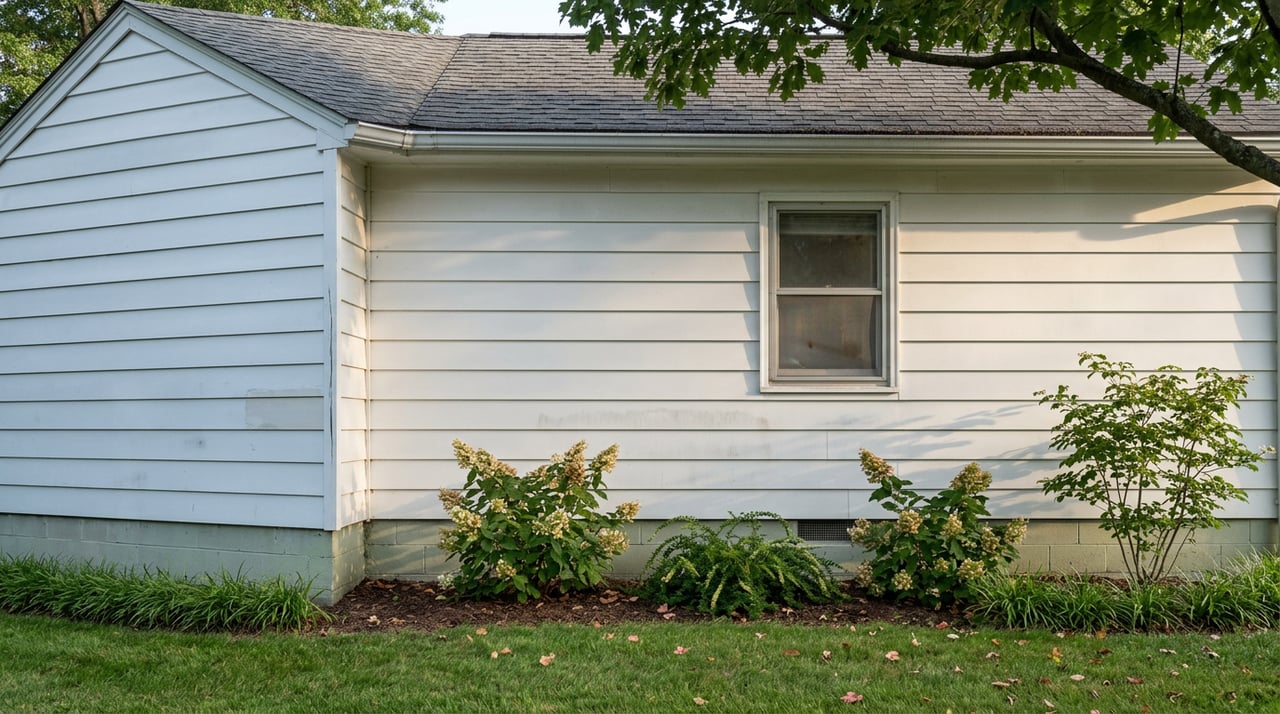
- Photograph any exterior cemesto panels in good condition. An appraiser who can see the siding is intact, not chipped or crumbling, has less reason to flag it as friable.
- Rule out interior asbestos sources separately from the siding conversation. Old pipe wrap, furnace insulation, and original floor tile are a different disclosure item than exterior panels, and buyers' lenders will ask about them separately.
- Price against homes with comparable construction and age, not against new builds in The Preserve, Forest Creek, or Solway. Those developments serve a real and growing part of the Oak Ridge market, but they're not your comp set.
What the days-on-market number is actually telling you
Here's the detail worth sitting with. Oak Ridge homes sold after 52 days on market on average over the three months ending May 2026, down slightly from 54 days the year before, even as the number of homes sold that May fell to 142 from 162 a year earlier. Fewer homes closed, and the ones that did close moved a little faster. That combination usually points to better-prepared listings clearing the market while less-prepared ones sit. For a cemesto seller, preparation is exactly the crawl space and insulation work above, done before a buyer's lender ever asks.
A couple of questions sellers ask early
Does having a cemesto house mean a buyer can't get FHA financing? Not on its own. FHA appraisers are trained to note asbestos siding without automatically requiring removal, since it's generally not considered hazardous when it's intact and on the exterior. The bigger question is what condition the siding is in and whether there's separate asbestos inside the house, like pipe wrap, that's damaged.
Should I pay for a crawl space inspection before I list, or let the buyer's inspector find issues? Getting ahead of it almost always serves you better. If there's a moisture or vapor barrier gap against current UT Extension guidance, you get to decide how to address it and on what timeline. Waiting for a buyer's inspector to find it during their due diligence period puts you on their clock instead of yours.
If you own one of Oak Ridge's cemesto or alphabet houses and you're thinking about what a sale would actually look like, from pricing against the right comp set to getting ahead of the crawl space conversation, Pam Owen has spent years working with East Tennessee's older housing stock alongside its newer subdivisions. Start with a free home valuation to see where your specific house fits in today's market, or take a look at the Oak Ridge neighborhood guide for more on what makes this market different from the rest of East Tennessee.